Termites cause silent, expensive damage to furniture across Bangladesh. Here's how to read a plywood spec and pick boards that actually resist attack.
Termites and wood borers are among the most common reasons furniture fails early in Bangladesh. The damage is often invisible until a shelf sags or a door frame crumbles from the inside. The good news: the right plywood, specified correctly, resists attack for years. Here's how to choose it.
Start with the core timber
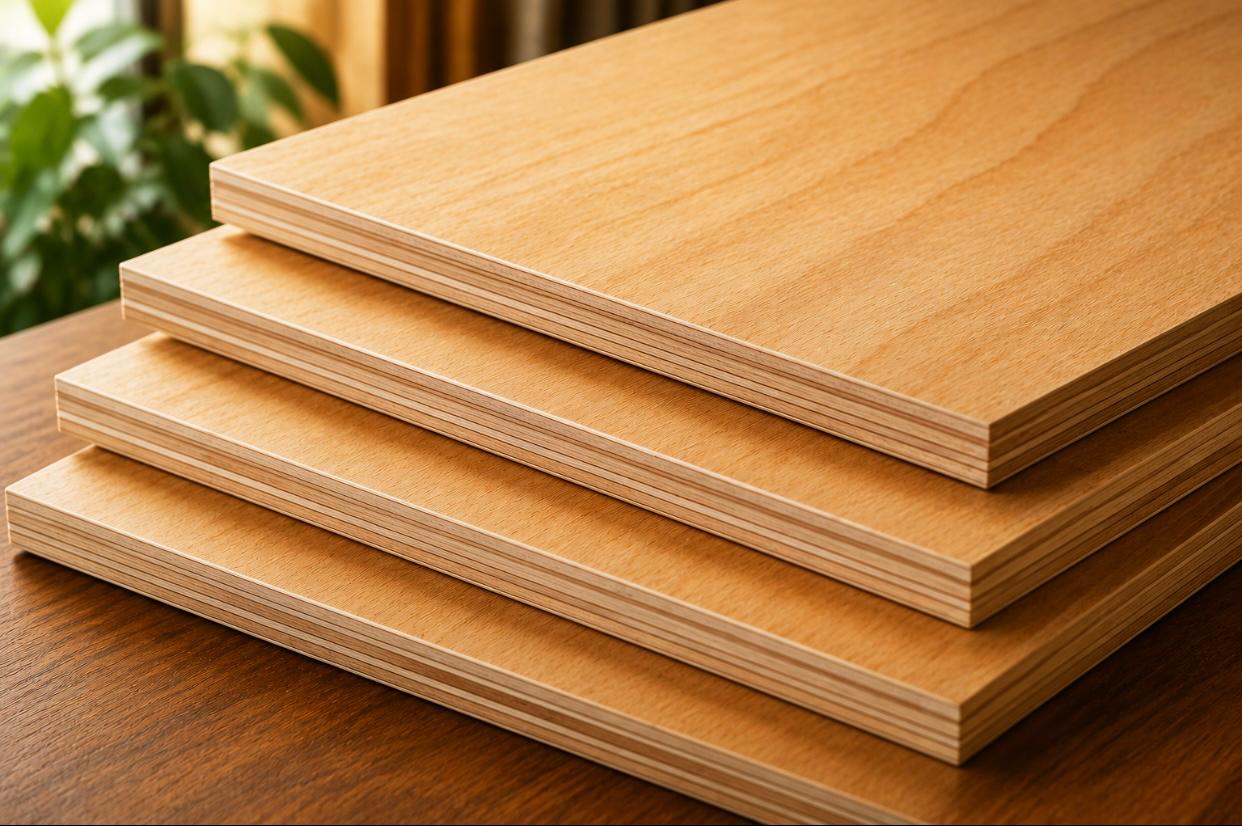
The core is the stack of veneers hidden inside the sheet, and it is where termites do their work. Dense hardwood cores — gurjan and similar species — are naturally more resistant and hold nails and screws better than soft or gap-filled cores. A well-made board also has no internal voids for pests to travel through, which is why full hardwood construction matters.
Look for chemical treatment
Beyond the timber itself, quality plywood is treated with anti-termite and anti-borer chemicals during manufacture. This treatment is impregnated through the veneers, not just painted on the surface, so it keeps protecting even after the board is cut and edged. Ask specifically whether the plywood is treated against termites and borers — it should be stated on the specification.
Check for BUET testing and certification
Independent testing removes the guesswork. Boards that have been tested by BUET (Bangladesh University of Engineering and Technology) and carry ISO certification have had their claims verified against recognised standards — including nail-holding strength and moisture resistance, both of which correlate with a well-built, pest-resistant board.
Practical tips at the point of purchase
A few checks at the shop or factory go a long way:
- Inspect the cut edge — the plies should be tight and even, with no gaps or overlaps.
- Lift the sheet — a dense, hardwood board feels reassuringly heavy for its size.
- Ask for the spec sheet — resin grade, core species and pest treatment should all be listed.
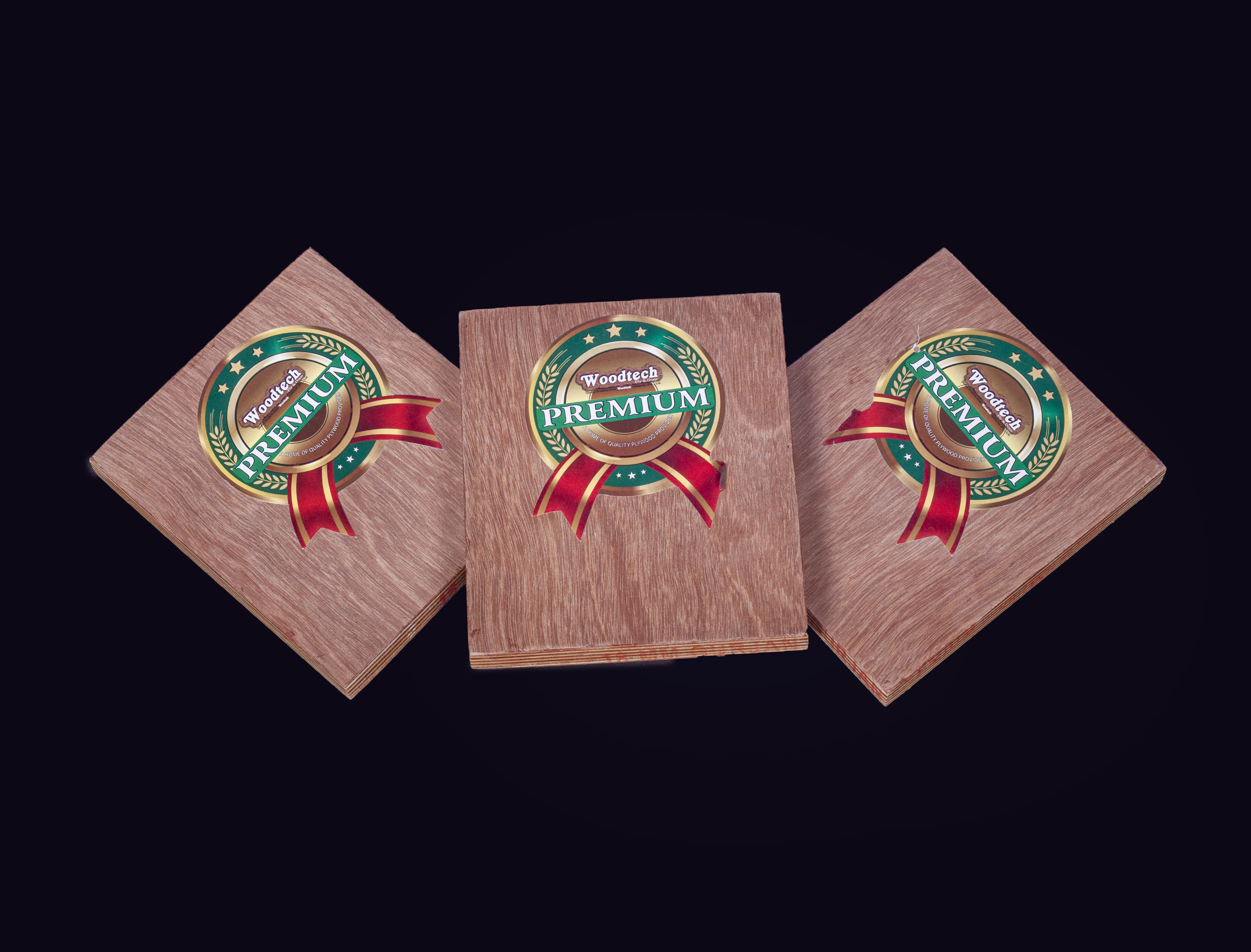
- Buy from a manufacturer, not just a reseller, so you can trace exactly what you're getting.
Need help choosing the right board or door for your project?
Our team can recommend the correct grade, thickness and finish for your use — and quote it honestly.
Get in touch