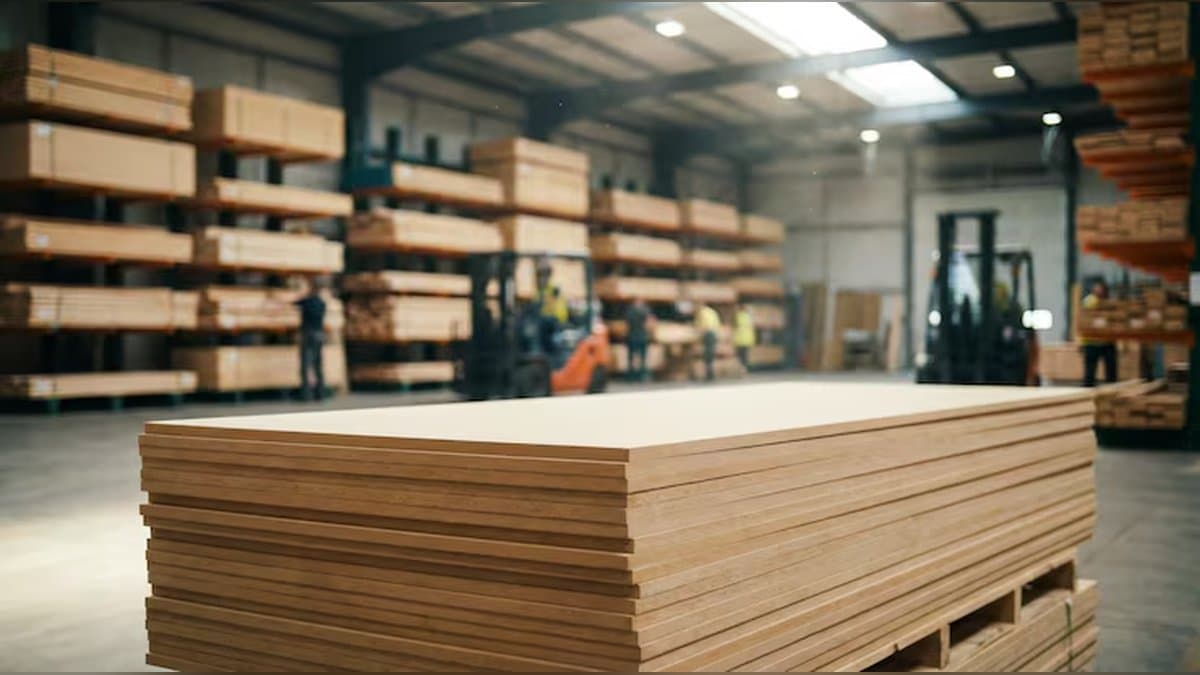
"Gurjan" is one of the most-used and most-abused words in the plywood market. Here's what a genuine gurjan-core board gives you — and how to spot the difference.
Walk into any plywood shop in Bangladesh and you will hear "gurjan" attached to almost everything. It has become shorthand for "good plywood".
But not every board that claims a gurjan core has one. Knowing what the core does, and how to check it, stops you paying premium prices for ordinary board.
Gurjan, garjan or garjon?
All three spellings refer to the same hardwood. You will see each on price lists and in shops across Bangladesh — they mean the same core timber.
Why the core matters more than the face
Buyers tend to judge plywood by its face veneer. But the core — the stacked veneers in the middle — determines strength, screw-holding and how the sheet behaves over time.
A dense hardwood core like gurjan gives stiffness, resistance to bending under load and a firm grip on screws. The face is cosmetic; the core is structural.
Gurjan plywood vs local plywood
A board built on a true hardwood core delivers measurable advantages over mixed-core local board:
- Superior nail- and screw-holding, so hinges and handles stay tight.
- Higher load capacity with less sag on shelves and countertops.
- Better dimensional stability, so the sheet stays flat instead of warping.
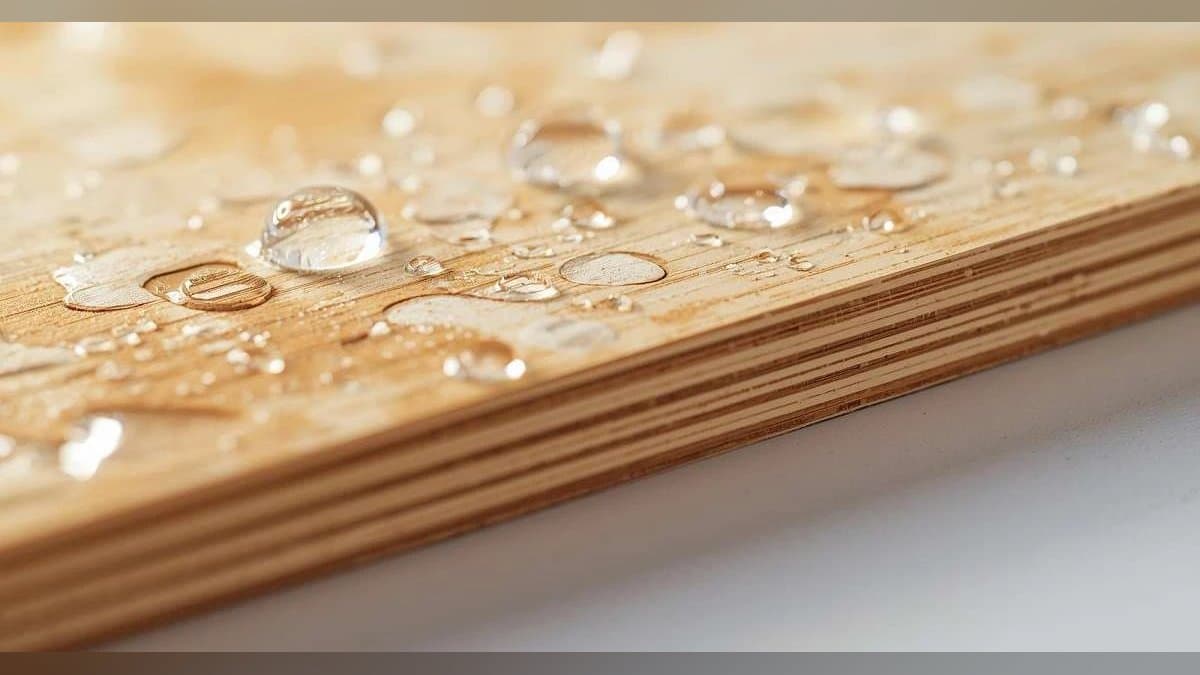
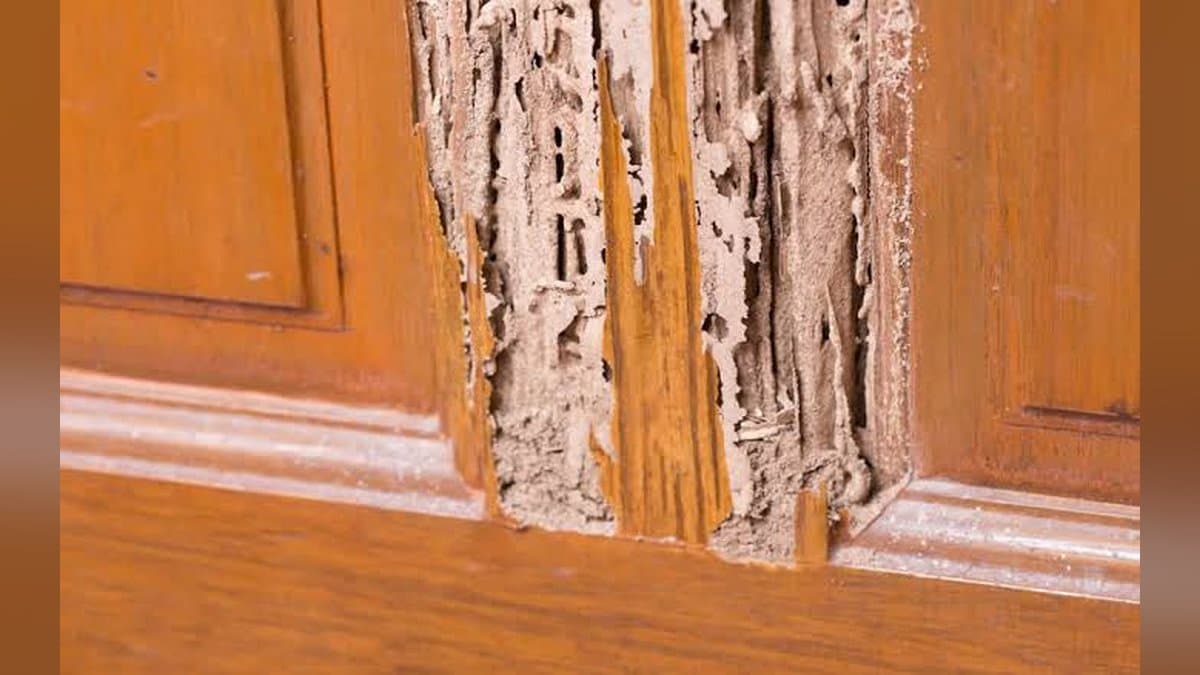
- A solid, void-free interior that resists moisture and pest travel.
How to tell real gurjan from relabelled board
Because the core is hidden, some sellers relabel cheaper mixed-core board as gurjan.
Physical checks
You can test a sheet in the shop:
- Weight — a genuine hardwood-core sheet is noticeably heavy for its size.
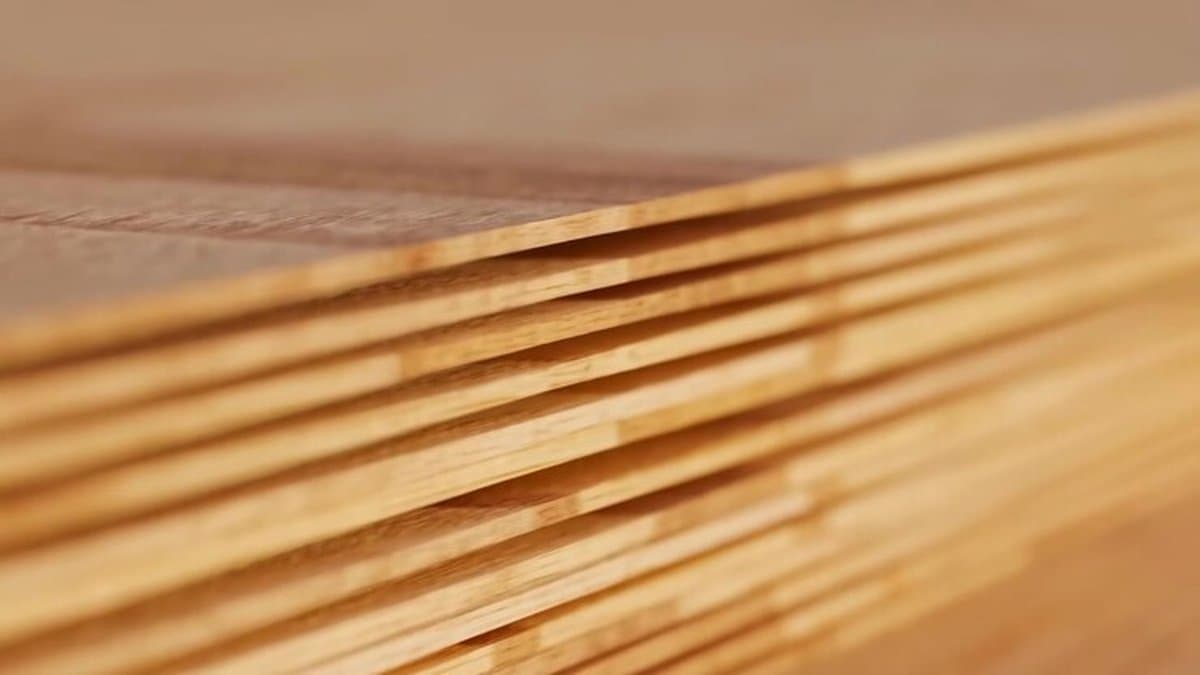
- Cut edge — the plies should be uniform and tightly packed with no gaps.
- Sound — tap the board; a dense core rings solid rather than hollow.
Paperwork
Buy from a manufacturer who states the core species and backs it with BUET testing.
The bottom line
Genuine hardwood-core plywood costs more. For structural work — furniture that carries weight, doors, cabinetry — it is worth every taka.
The key is buying from a source you can verify, so the board inside matches the name on the label.
Frequently asked questions
What is gurjan plywood?
Gurjan plywood is plywood built on a core of gurjan, a dense hardwood. The hardwood core gives it better strength, screw-holding and stability than mixed-core board.
Are gurjan, garjan and garjon plywood the same?
Yes. They are different spellings of the same hardwood core timber, used interchangeably in Bangladesh.
Is gurjan plywood better than local plywood?
For structural use, yes. A genuine gurjan core holds screws better, carries more load and stays flatter than a mixed or gap-filled local core, though it costs more.
How can I check if plywood really has a gurjan core?
Check that the sheet is heavy for its size, the cut edge shows tight, even plies, and it sounds solid when tapped. Buy from a manufacturer who states the core species and has BUET test results.
Why is gurjan plywood more expensive?
Dense hardwood core veneers cost more than soft or mixed timber. The price buys stiffness, screw-holding and long-term stability.
Need help choosing the right board or door for your project?
Our team can recommend the correct grade, thickness and finish for your use — and quote it honestly.
Get in touch